Choosing dental implants in Turkey can open the door to experienced teams, digital planning and coordinated care. A good decision, however, needs more than a price comparison. Ask for a clear written plan before booking travel.
1. How does the remote assessment work?
The clinic may request a panoramic X-ray or 3D scan, your medical history and current medication. A responsible team will explain that the final plan can change after an in-person examination.
2. How many visits and days are needed?
Implant care is often divided into surgical placement and the final tooth stage. Bone condition, extractions or grafting can change the schedule. Request a recommended stay for every visit.
3. Which implant system will be used?
Your file should include the system name, product labels and warranty terms. These details help a dentist in your home country identify the components if future care is needed.
4. Can I have a temporary tooth?
Same-day temporary teeth are not suitable for everyone. Initial stability, bite forces and bone quality must be checked. Discuss appearance, but allow biological healing to lead the decision.
5. What is included in the quotation?
- Examination and imaging
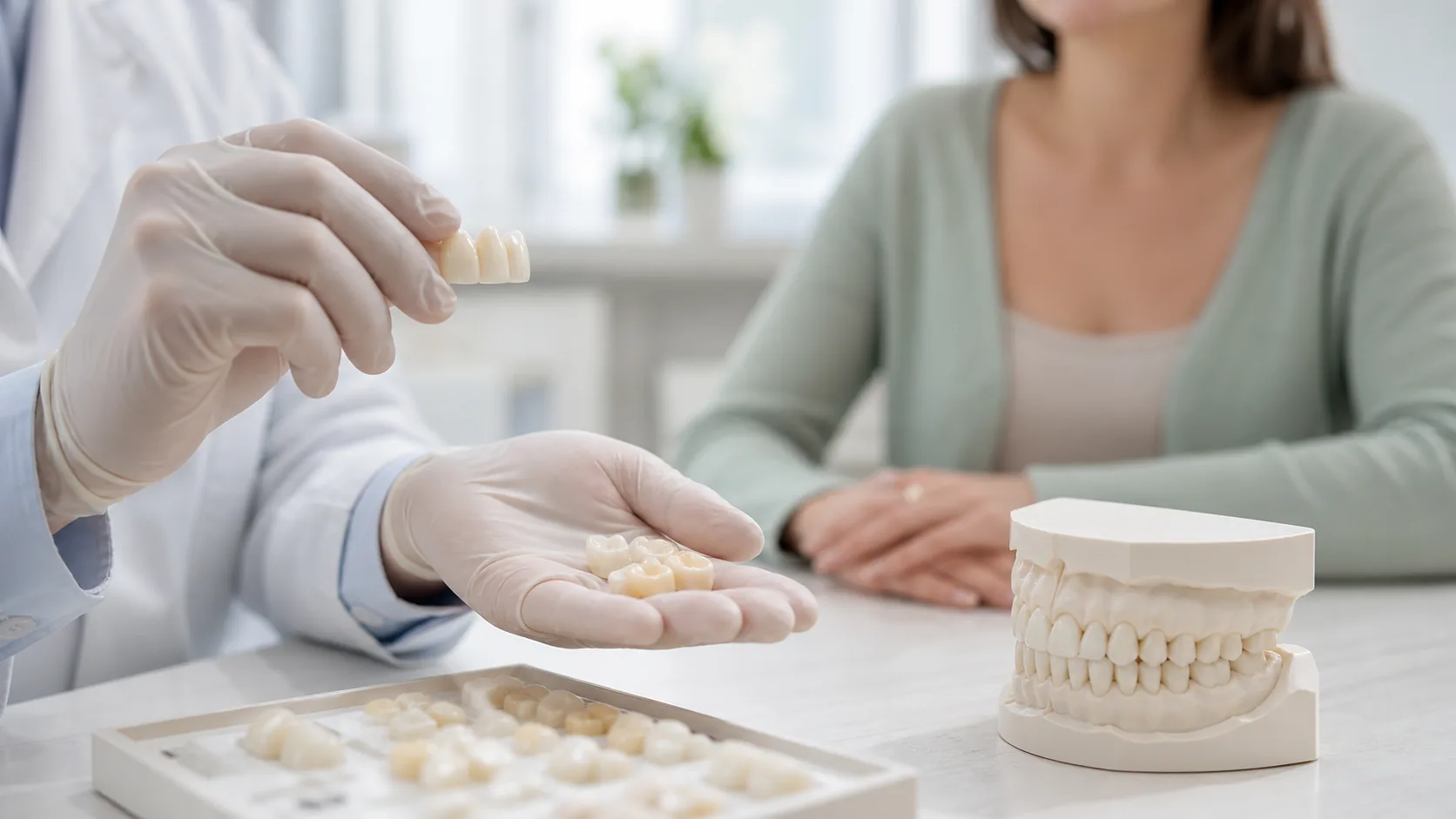
- Implant, abutment and crown
- Temporary restoration
- Any extraction or bone procedure
- Reviews and prescriptions
6. What happens after I return home?
Confirm review dates, your emergency contact and whether video follow-ups are available. Ask for copies of scans, treatment notes and implant records.
7. Am I a suitable candidate?
Uncontrolled diabetes, heavy smoking and active gum disease may increase risk. A personal examination is the starting point for a safe, durable result. Clarifying these seven points makes your dental journey calmer, more transparent and easier to plan.
How should you assess a clinic before deciding?
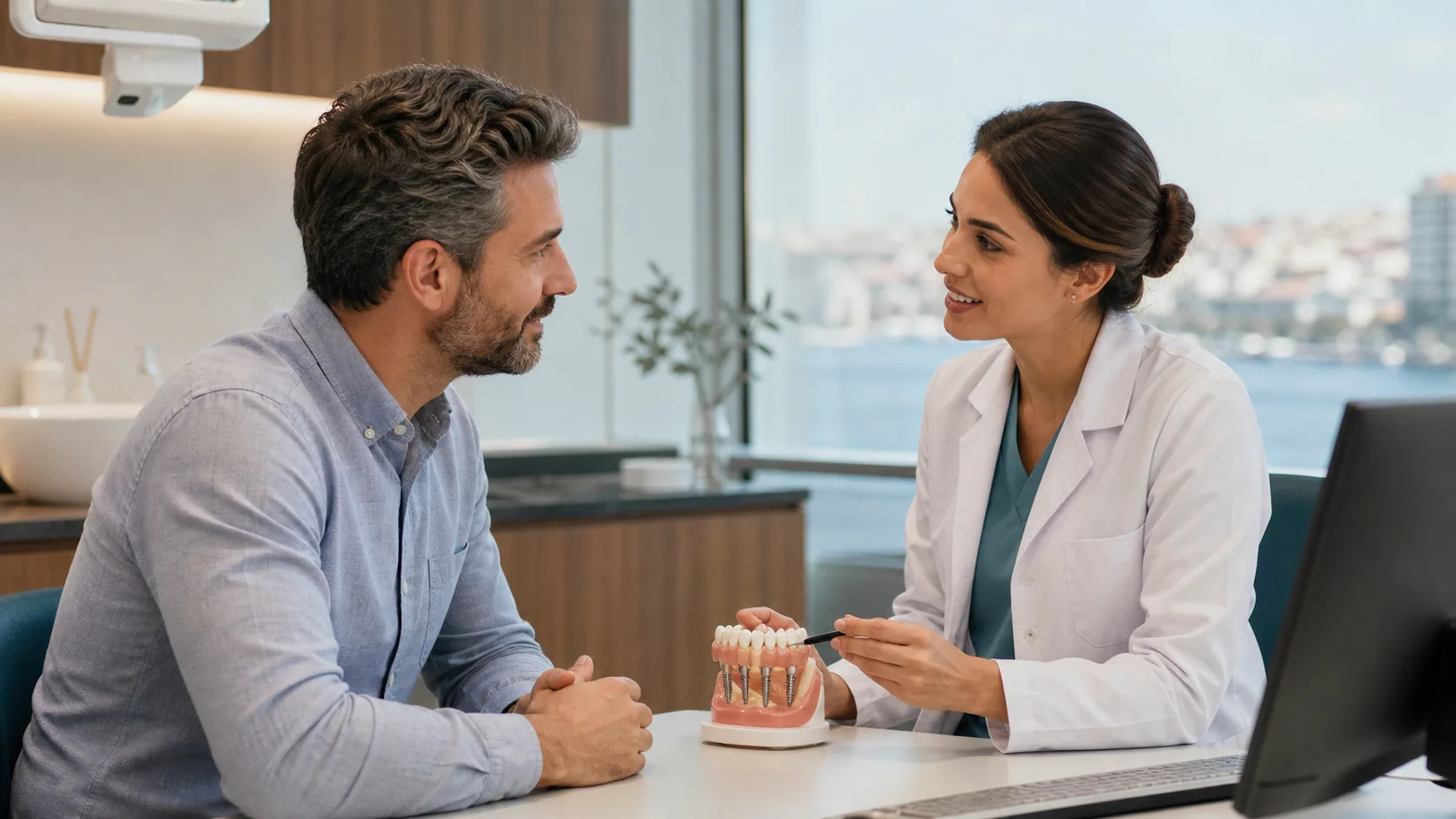
When researching dental implants in Turkey, look beyond transformation photographs and package prices. The clinic should identify the treating dentist, explain relevant experience, describe the imaging used and discuss reasonable alternatives. A useful first conversation explores your health, expectations and time limits instead of pushing an immediate sale. Confirmation of the final plan after an in-person examination is an important sign of responsible care.
What belongs in a written treatment plan?
The document should separate procedures, materials, likely appointment numbers, healing periods and reviews. Ask how an additional procedure would affect both price and travel time. Clarify whether an “all-inclusive” quotation covers examination, imaging, temporary work, laboratory fees, medicine and follow-ups. Written detail allows you to compare clinics on the same basis rather than comparing totals that include different services.
Why must your medical history be complete?
Long-term conditions, allergies, pregnancy, previous surgery, regular medication, smoking and tooth grinding can influence treatment. Never stop prescribed medication on your own. Your dentist may request tests or communication with the doctor who manages your health. These questions are not barriers; they are used to reduce avoidable risk and select a safer approach for your individual situation.
Why does the schedule need flexibility?
Biological healing is more important than a flight calendar. Infection, gum inflammation, limited bone or an unexpected bite problem found during examination may alter the proposal. Avoid placing the flight home immediately after the last clinical step. If possible, choose a changeable ticket and keep a recovery day available. Promises to compress extensive care into an unrealistically short visit deserve careful scrutiny.
How can you discuss a natural-looking result?
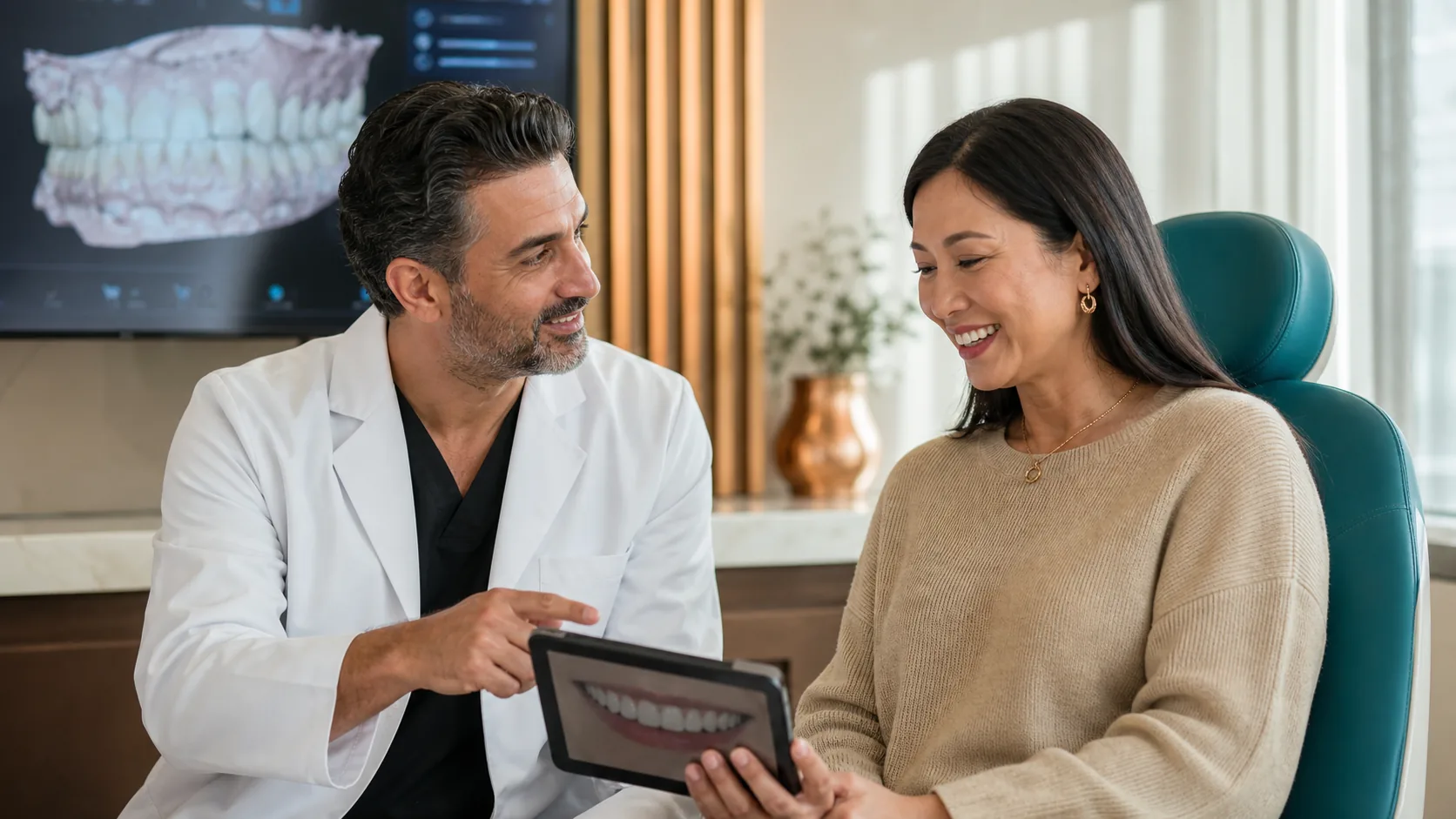
Reference images are useful, but your face, lip movement, gum line and available tooth structure shape the outcome. Describe preferences for shade, form, surface texture and front-tooth length. Ask the dentist to explain limitations, how much healthy tissue can be retained and whether future repair or replacement is likely—not only to show an idealised preview.
How should communication work during treatment?
A coordinator who speaks your language can make the journey easier, but clinical decisions should still be explained by the dentist. Do not sign consent documents you do not understand. Identify whom to contact about pain control, temporary restorations, unexpected findings or a change of plan. Keeping questions in a phone note helps you remember important details during a busy appointment.
What matters during the first days afterwards?
Instructions vary with the procedure. In general, use medication correctly, maintain the advised hygiene, follow food restrictions and attend the final review. You should know the expected pattern of discomfort or swelling. Contact the clinic or urgent medical services for worsening symptoms, uncontrolled bleeding, fever, or difficulty breathing or swallowing rather than waiting for a routine online reply.
Which records should travel home with you?
Request a treatment summary, before-and-after imaging, product or material details, laboratory records, prescriptions and care instructions in digital or printed form. An English copy is helpful when available. This file allows a dentist at home to understand what was completed, recognise components and avoid repeating examinations without a clinical reason.
What can remote follow-up do—and not do?
Photographs and video appointments can support healing reviews, answer questions and plan the next stage. They cannot always replace X-rays, bite assessment, gum measurements or a physical examination. The clinic should explain which reviews may be remote and which symptoms mean that you need an in-person dentist in your own country.
A final decision checklist
- Do I understand the plan and alternatives?
- Is the full financial scope written down?
- Is there enough time for treatment and recovery?
- Are the dentist and materials clearly identified?
- Is urgent and long-term follow-up organised?
- Are my expectations compatible with a healthy, sustainable result?
The best choice for dental implants in Turkey may not be the fastest or cheapest offer. Transparent communication, personal examination, respect for healthy tissue and accessible follow-up form the foundation of a safer dental journey.